Pollinators love this salt tolerant native milkweed!
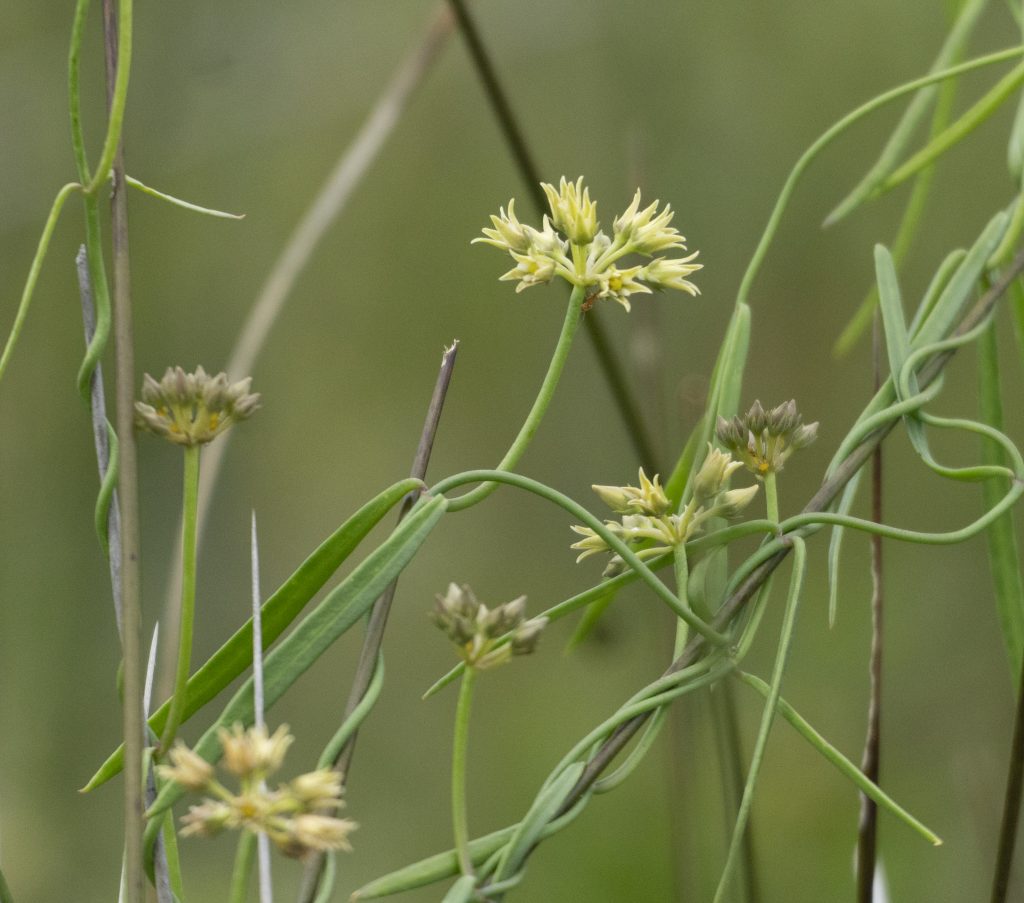
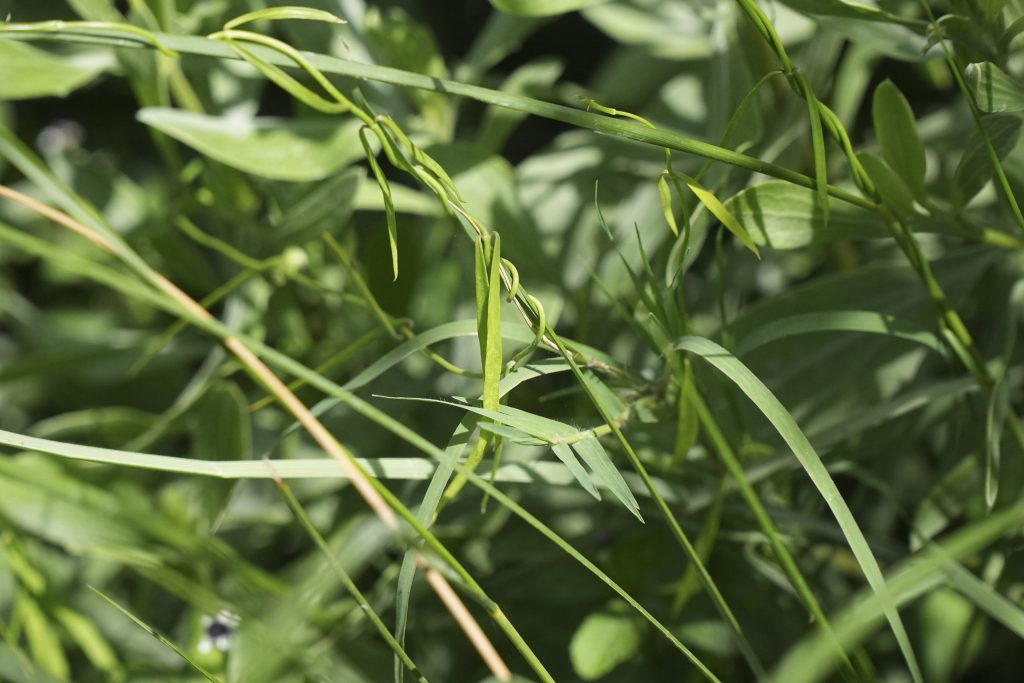
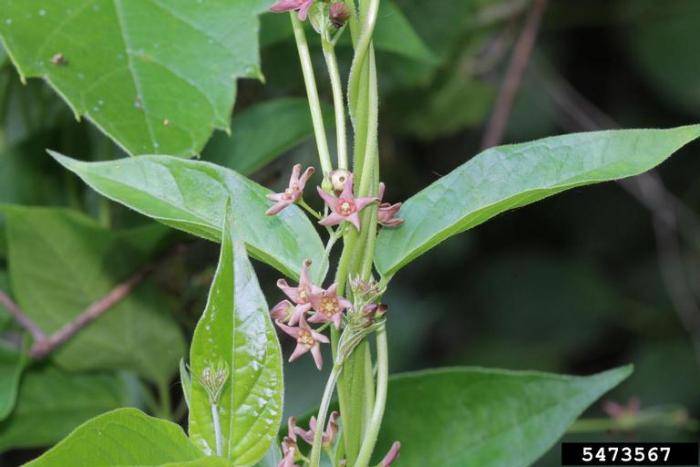
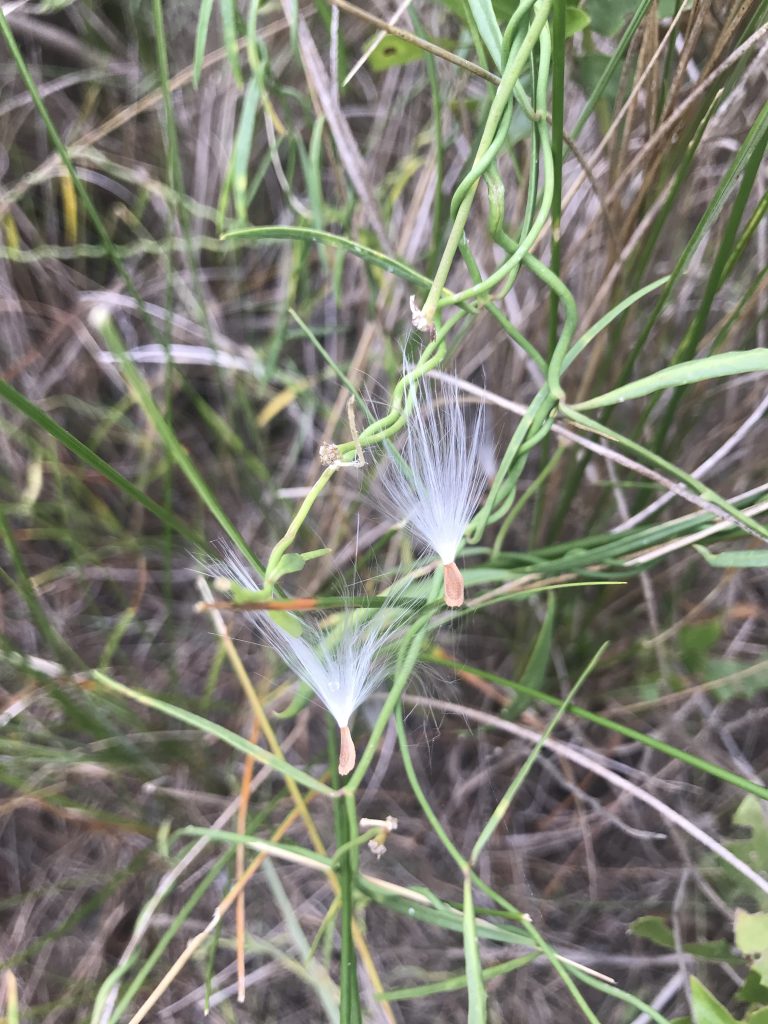
TheGulf Coast Swallowwort (Pattalias palustris)is the only native milkweed that lives happily in the salt drenched sands of our barrier islands. Formerly named Cynanchum angustifolium, it is a climbing vine with milky sap. It has umbel clusters of 7-12 pretty flowers with green and yellow petals. (Umbel is a fancy botanical word meaning a slightly dome shaped flower with blossoms all radiating from a central point on individual stalks.) This climbing vine can be 10 feet long! Other common names for this flower are sandvine, sand milkweed, and vine milkweed. In Florida, this is a crucial host plant for queen butterflies.
Nectar source for a wide variety of insects
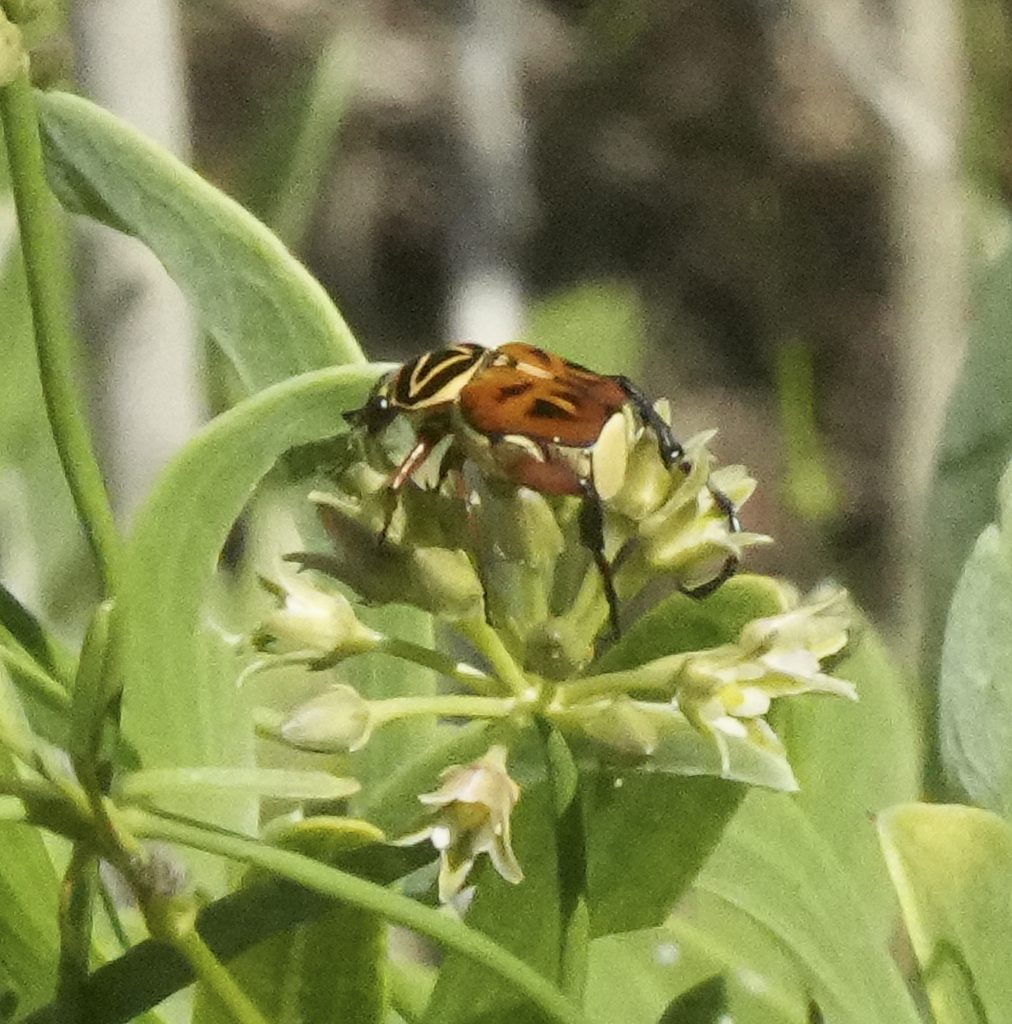
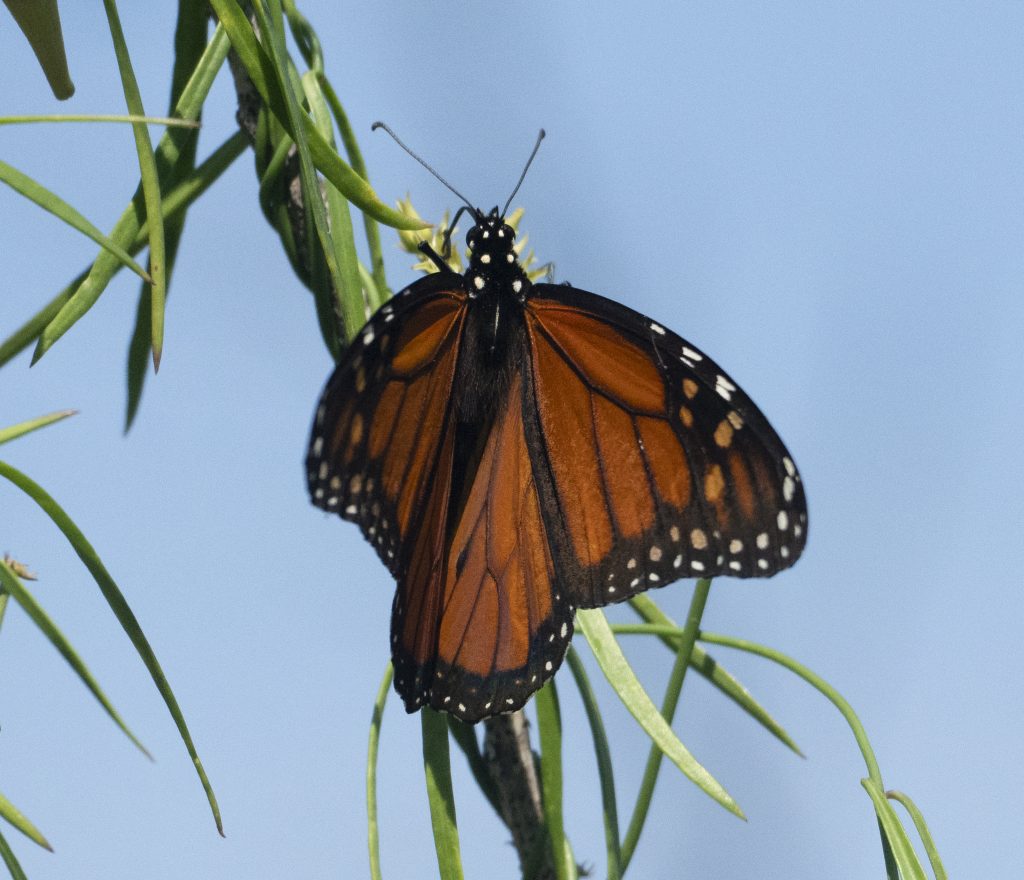
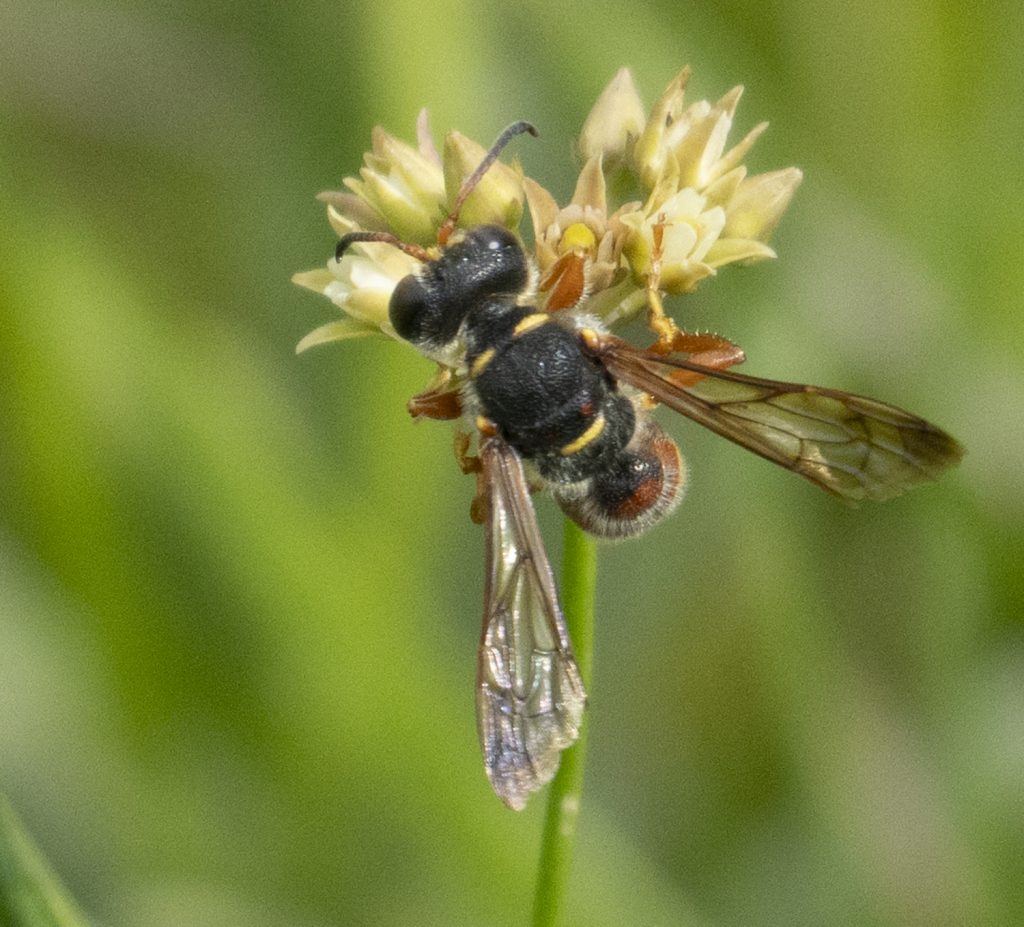
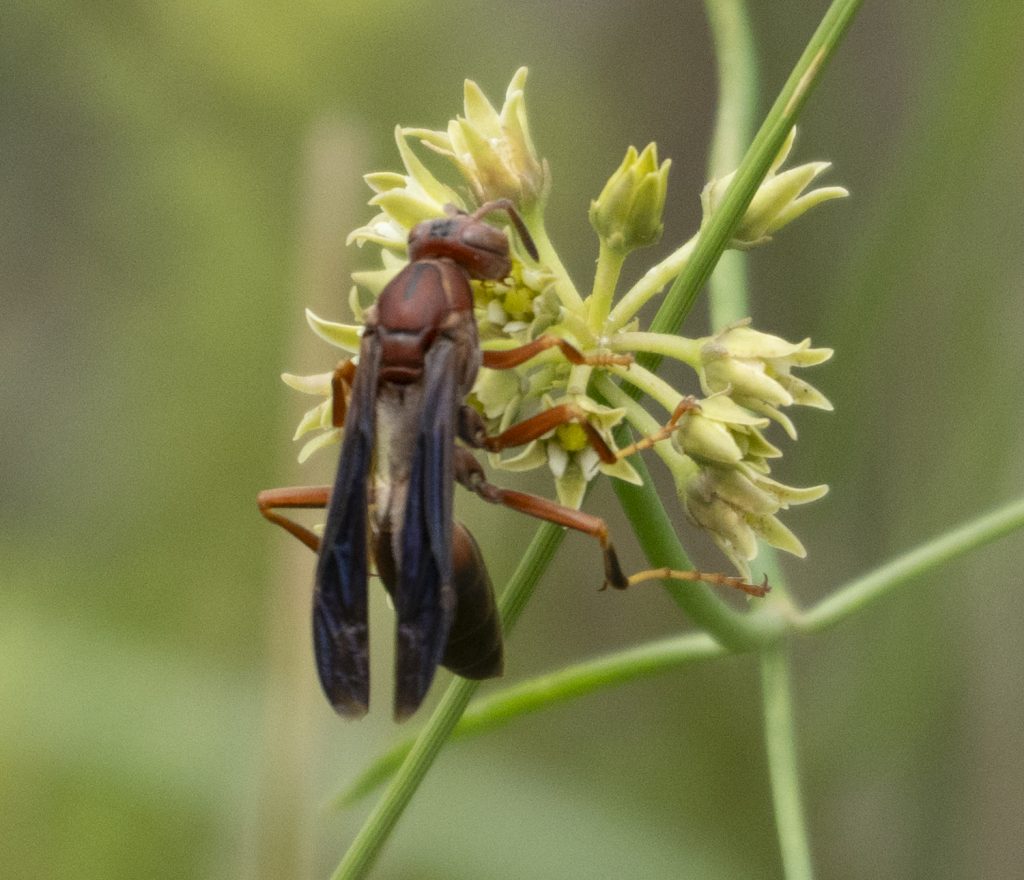
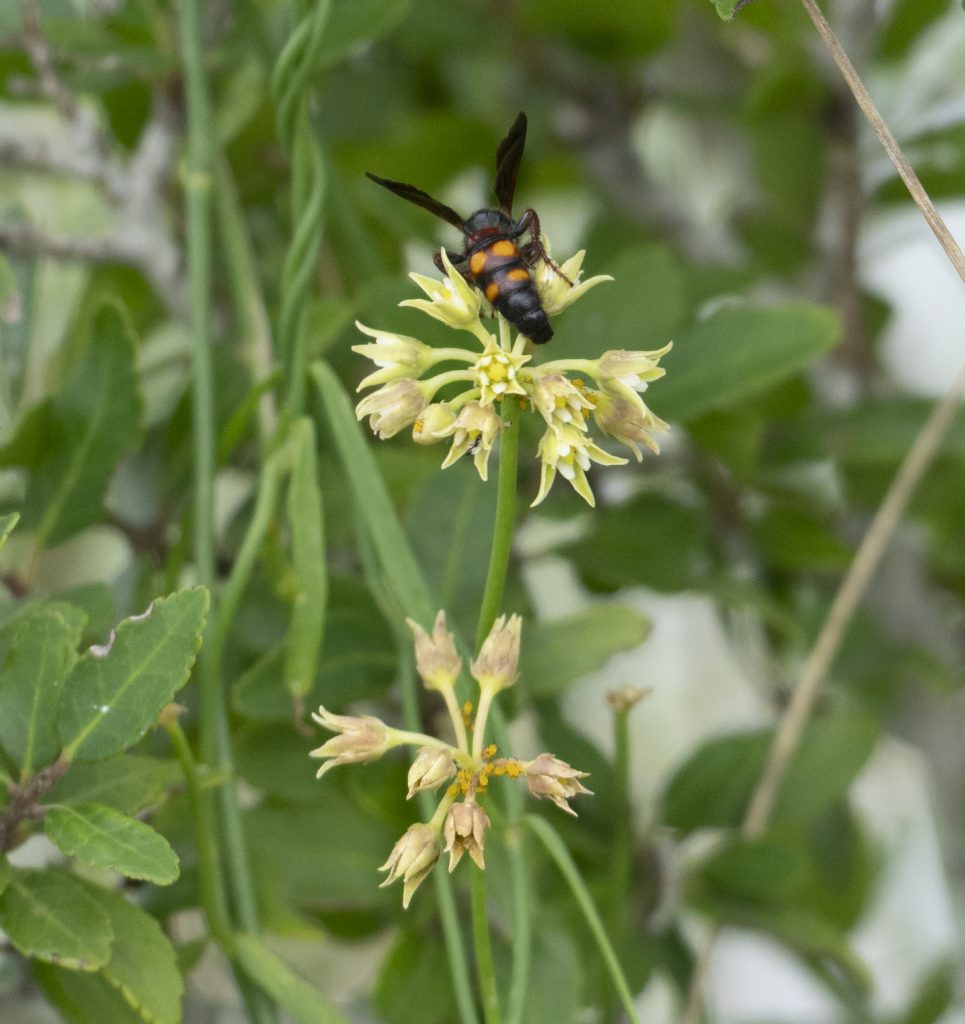
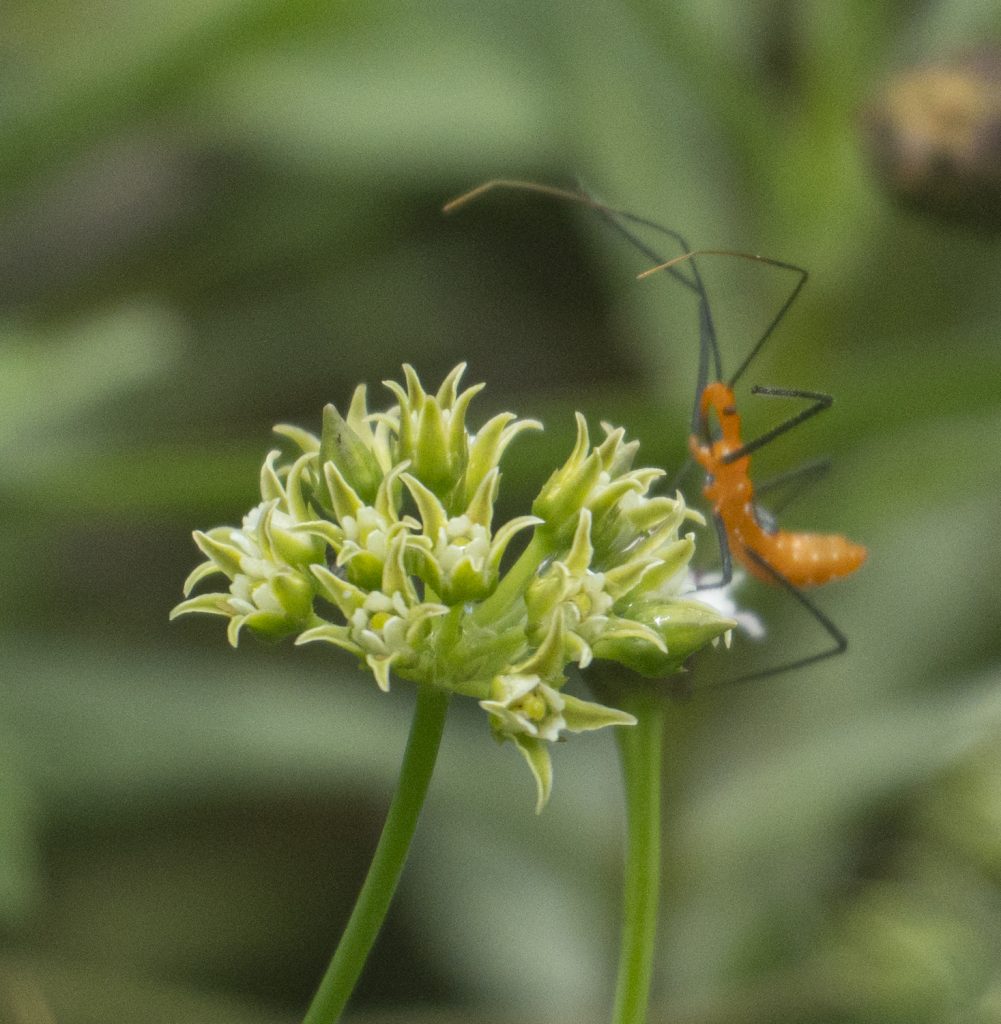
Monarchs and Queen butterflies use this as a host plant, and in incredible variety of other insects can be found nectaring on the plant.
Delta flower scarab
monarch
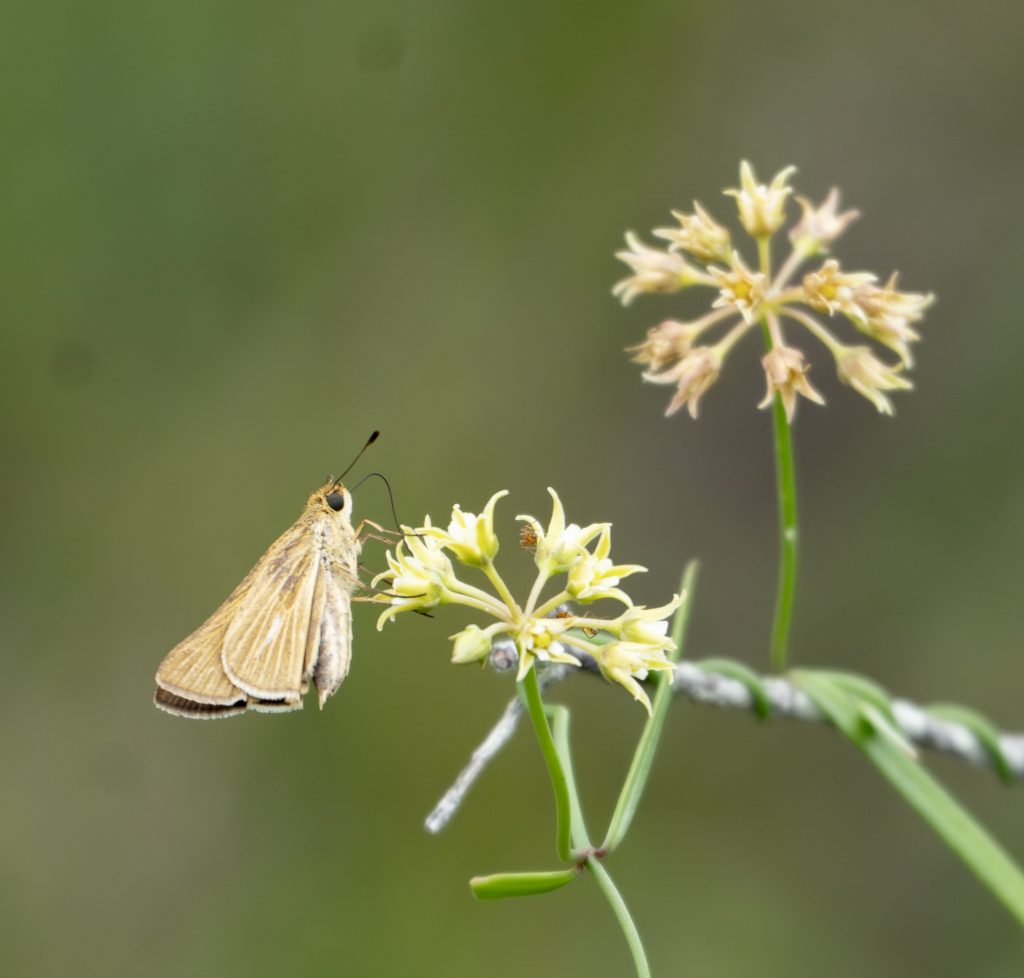
Salt Marsh Skipper
thynid wasp
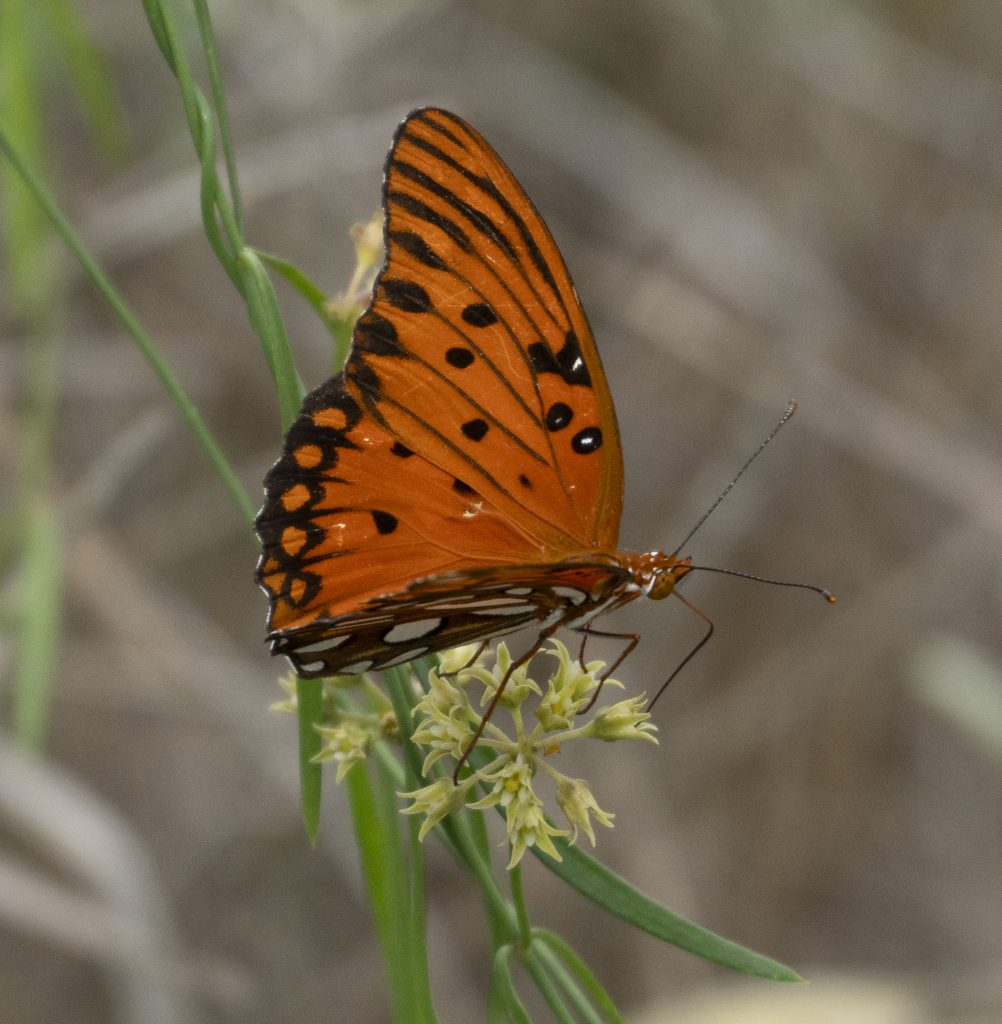
gulf fritillary
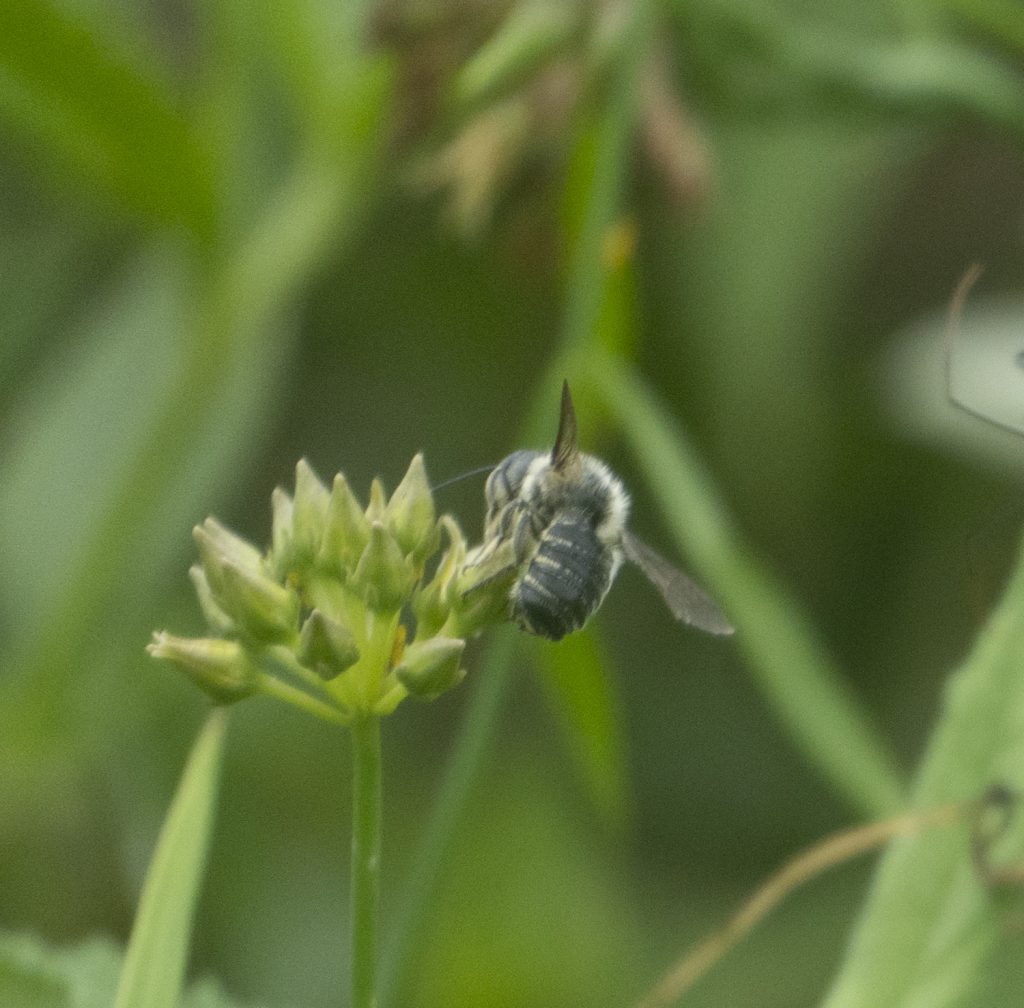
leafcutter bee
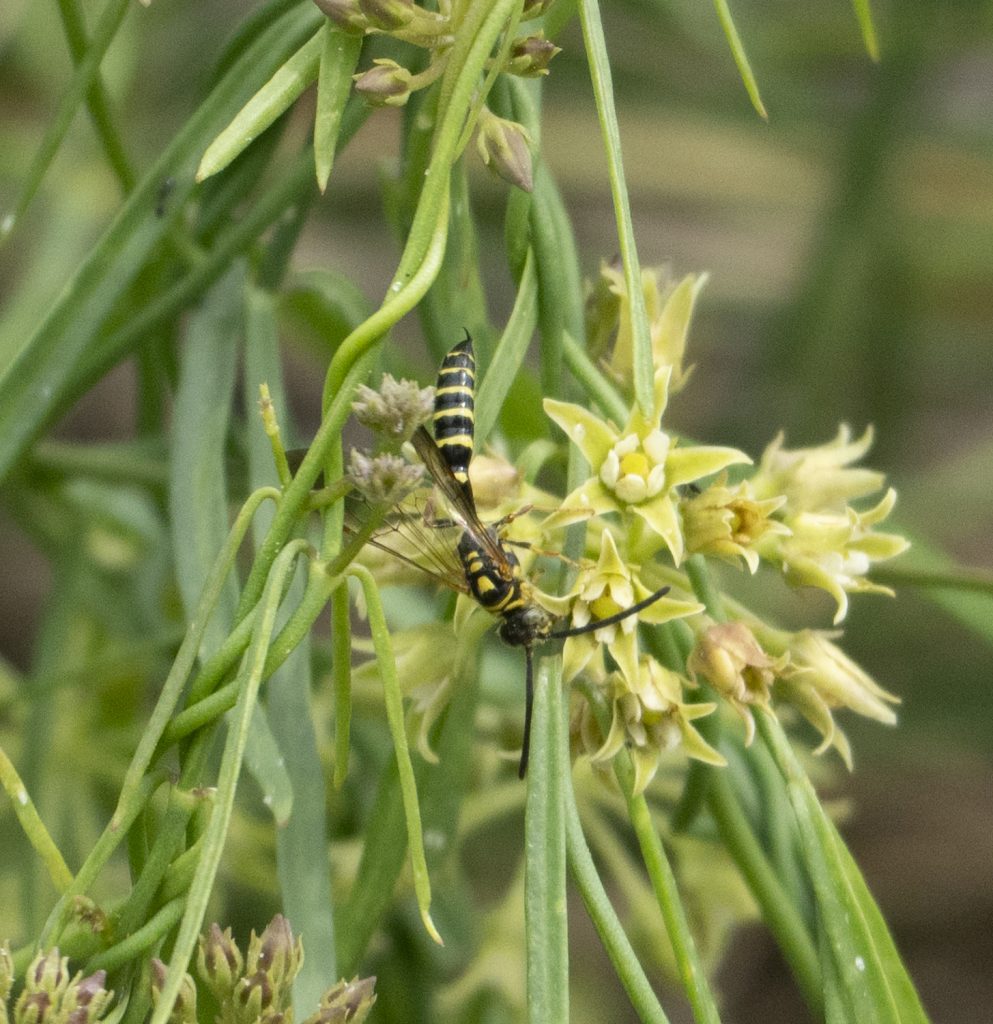
cerceris bicornuta, a solitary digger wasp
paper wasp
noble scoliid wasp and oleander aphids
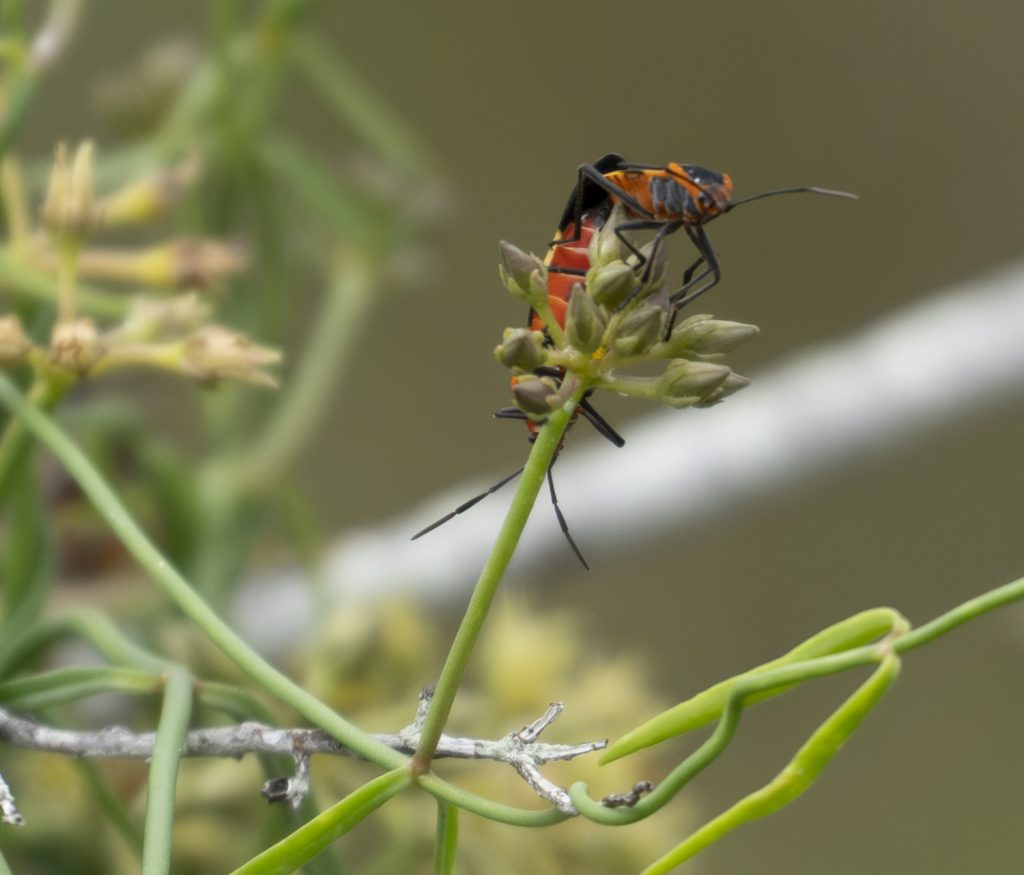
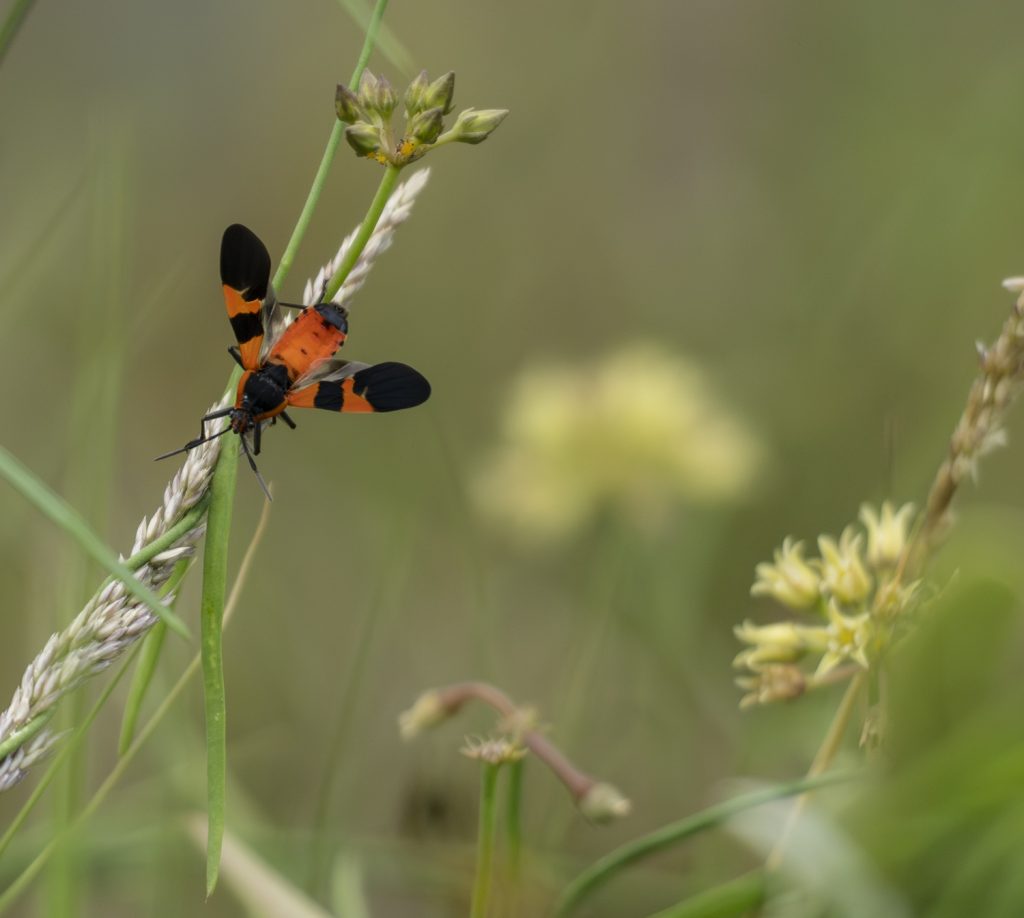
milkweed assassin bug
milkweed bugs
milkweed bug
This video has a wide variety of pollinators from this summer:
Don't worry: this isn't the invasive swallowwort!
If you’re from other areas of the country, you might hear the term swallowwort and cringe. There are invasive swallowworts that can cause a lot of trouble, so be reassured that our tangly vine is actually native and belongs here.
Tips for harvesting seeds and growing your own
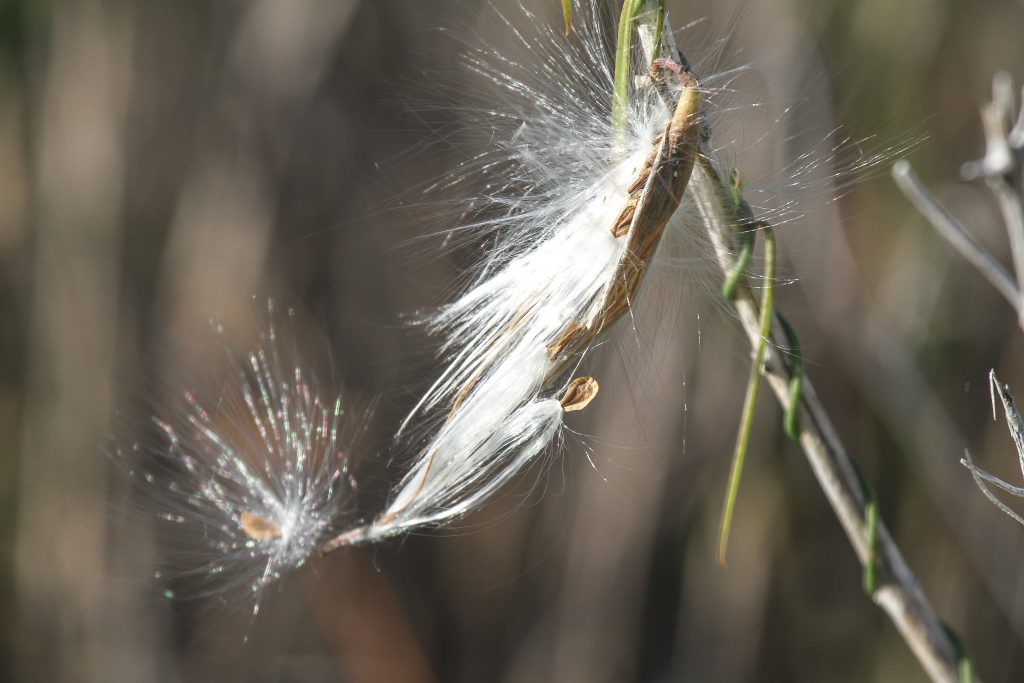
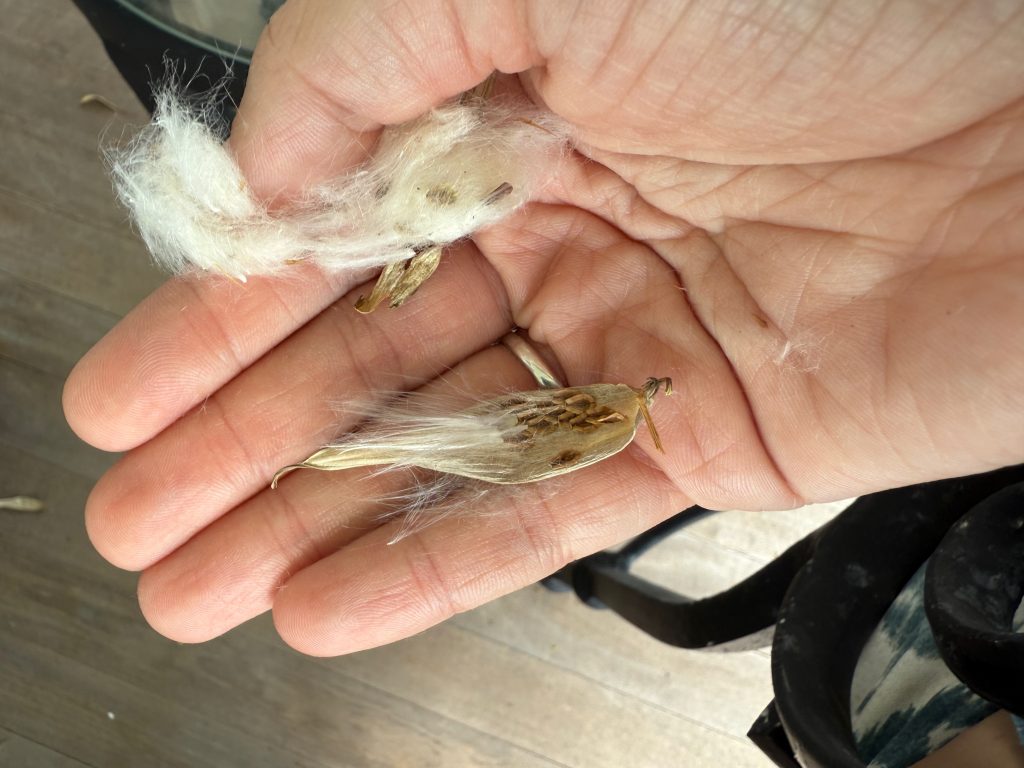
I harvest seeds once the pods begin to burst, and hopefully before they are open enough for the seeds to already be drifting away. If the pods are yellow, or closed, I’ll just come back another day.
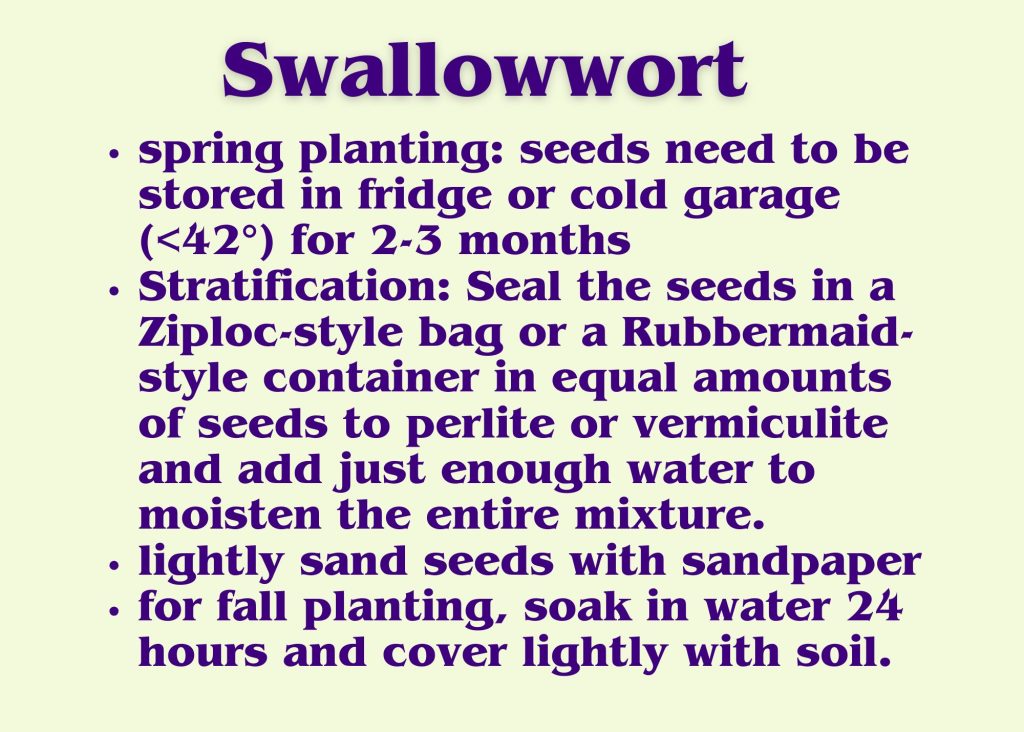
The easiest thing is to plant them in fall: sand them lightly with sandpaper and soak them in water for 24 hours, and cover them lightly with soil. If you would rather plant them in spring, store the seeds in the refrigerator with a slightly moist substance over the winter.
Shameless plug for wildflower guide:
It’s the perfect season to get your hands on our wildflower guide: water resistant, 5-fold photos of the wildflowers of the barrier islands, arranged by color of bloom.
If you’re not familiar with The MARSH (Marsh Appreciation and Restoration Society for Happiness) Project, you can learn more from their website here. They are working on restoring marshes and creeks that have been ignored or abused in urban areas. One of their coolest iniatives is installing little free libraries (and little free seed libraries) in community spaces that are adjacent to the areas they are working on. I have access to seeds that have not been treated with pesticides or pollution, and I have been enjoying gathering seeds to share with people that are creating their own native gardens at home or in their communities. This summer’s swallowwort is now packed up and ready to be distributed. (message me if you need some!). As a member of the Carolina Ocean Alliance, I brought some seeds to last year’s Hope Summit, and Anna Mader created this video, which is currently on bethepeople.org.